Solar Panels and the EPC
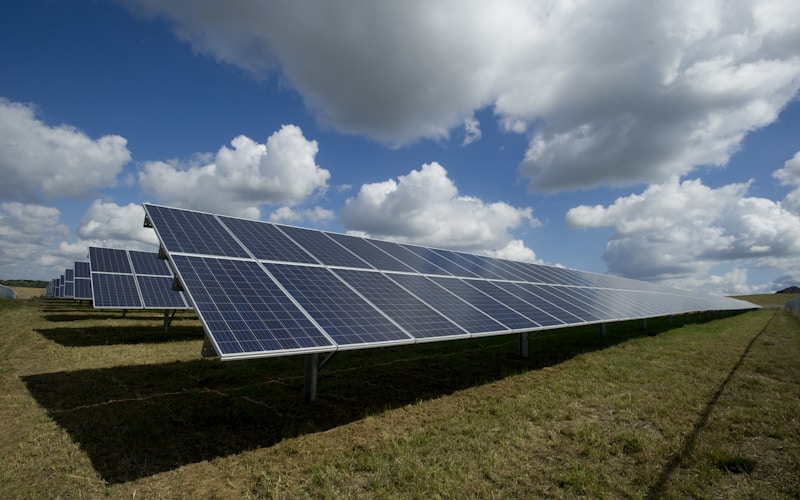
Solar photovoltaic (PV) panels are one of the most impactful improvements you can make to your EPC rating. They generate free electricity from sunlight, reducing your reliance on the grid and slashing your energy bills.
But how exactly do they affect your EPC? Let's break it down.
How Solar Panels Are Assessed on an EPC
When a Domestic Energy Assessor visits your property, they record several details about your solar installation:
- Total peak power output (in kWp) — typically 3–4 kWp for a standard residential system
- Orientation — south-facing panels generate the most energy
- Roof pitch — the angle affects generation efficiency
- Shading — trees or nearby buildings that block sunlight
The SAP calculation uses these factors to estimate annual electricity generation and the resulting reduction in energy costs and carbon emissions.
Typical EPC Impact
A standard 4 kWp solar PV system on a south-facing roof can improve your EPC rating by 10–15 SAP points. In practice, this often means:
- A property rated D could jump to C
- A property rated C could reach B
- Combined with other improvements, reaching Band A becomes realistic
A typical 3-bedroom semi with a D rating and a 4 kWp solar system can realistically achieve a mid-C rating — even without other improvements.
Cost and Payback
Solar panel costs have dropped significantly over the past decade:
| System Size | Typical Cost | Annual Savings | Payback Period |
|---|---|---|---|
| 3 kWp (8 panels) | £5,000–£6,000 | £500–£700 | 8–10 years |
| 4 kWp (10 panels) | £6,000–£8,000 | £650–£900 | 8–10 years |
| 4 kWp + battery | £9,000–£12,000 | £800–£1,100 | 9–12 years |
With panels lasting 25–30 years, the total savings over their lifetime far exceed the initial cost.
Battery Storage
Adding a battery storage system allows you to store excess solar energy generated during the day and use it in the evening. While batteries don't directly affect your EPC rating (the SAP calculation doesn't account for them), they significantly increase your financial savings by reducing how much grid electricity you buy.
Smart Export Guarantee (SEG)
Any excess electricity your panels generate is exported to the grid. Under the Smart Export Guarantee, your energy supplier must pay you for this exported electricity. Rates currently range from 3p to 15p per kWh, adding to your overall savings.
Planning Permission
In most cases, solar panels fall under permitted development and don't require planning permission. Exceptions include:
- Listed buildings
- Properties in conservation areas (front-facing panels may need approval)
- Panels that protrude more than 200mm from the roof surface
- Ground-mounted systems over 9 square metres
Is Solar Right for You?
Solar panels make the most sense if:
- You have a south, east, or west-facing roof with minimal shading
- You're home during the day (to use electricity as it's generated) or have a battery
- You want to future-proof your property against rising energy costs
- You're a landlord looking to improve an EPC rating cost-effectively
An EPC assessment will show your current rating and the estimated impact solar panels could have.
Book your EPC → and find out how much solar could improve your rating.